The All-Inclusive Myth vs. The Curated Dream
Your venue offers “everything included.” Is that a blessing or a creative trap? Let’s break it down.
In the Dallas–Fort Worth metroplex, all-inclusive venues are everywhere. They promise simplicity. One contract. One team. One streamlined experience. On the surface, it sounds like the ultimate stress reliever. Catering included. Bar included. Rentals included. Maybe even florals and coordination included.
But here is the honest truth: convenience and customization are not the same thing.
An all-inclusive package can absolutely work for some couples. If you love the venue’s aesthetic exactly as is, trust their preferred vendor list completely, and are comfortable working within a defined structure, it may be a beautiful fit. The problem happens when a bride assumes “included” means fully personalized.
This is where understanding the difference between a venue coordinator and a wedding planner becomes crucial.
A venue coordinator works for the venue. Their primary responsibility is to protect the property, manage the venue staff, and ensure that what the venue is contracted to provide runs smoothly. They will confirm when catering loads in. They will oversee the ballroom setup according to the floor plan. They will make sure the timeline aligns with venue policies and that you are out by the contracted end time.
What they are not hired to do is manage your full wedding vision.
A wedding planner works for you. A planner protects your priorities, not just the building’s. They coordinate every vendor, not only the in-house team. They manage family dynamics. They adjust timelines when hair and makeup runs late. They know your must-have photo list. They advocate for you when something needs to pivot. They think five steps ahead so you do not have to.
That distinction matters more than most brides realize.
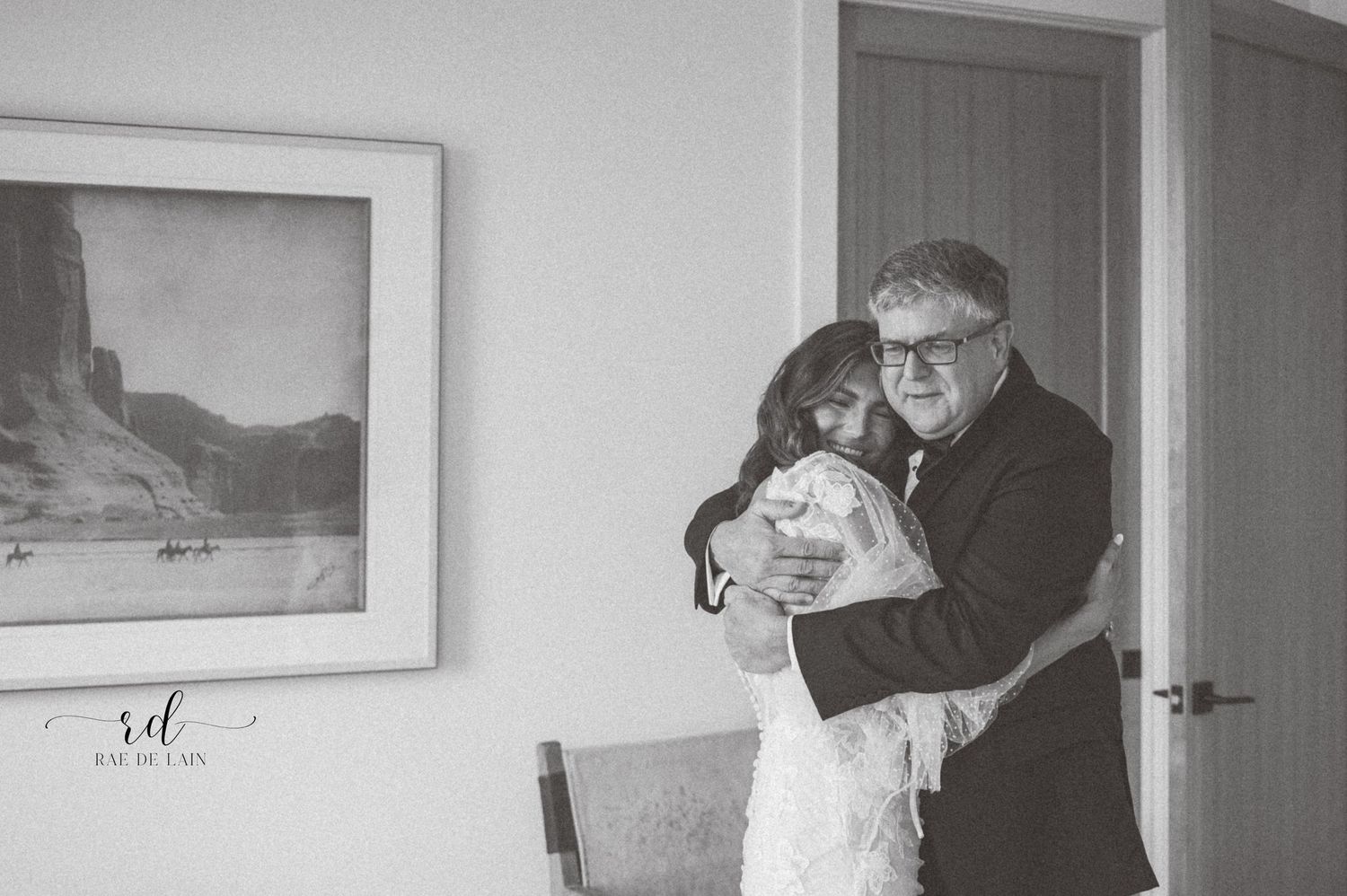
Having a planner who knows your heart — and yes, even your hair and makeup goals — completely changes the energy of your wedding morning. The morning sets the tone for the entire day. If your planner understands that you want soft glam instead of full contour, that you value quiet moments over loud hype, or that you need ten minutes alone before walking down the aisle, those details are protected. A venue coordinator cannot carry that level of personal context because their scope is different.
When your planner and your beauty team are aligned, the morning flows intentionally. The lighting is considered for photography. The timeline protects touch-up time. The getting-ready space is cleared before portraits. You are not just “on schedule.” You are calm.
That is the curated dream.
Before signing an all-inclusive contract, ask better questions. Ask what is truly customizable and what is fixed. Ask whether you can bring in outside vendors if your vision shifts. Ask who runs the rehearsal and who manages the full timeline on the wedding day. Ask what happens if a vendor runs late or a family issue arises. Ask whether you will have one consistent point of contact from booking through execution.
Most importantly, ask yourself whether the package reflects you — or simply what is easiest.
There is nothing wrong with all-inclusive. But there is something powerful about intentional curation. Your wedding is not just an event to execute. It is a reflection of your story, your faith, your family, and your future.
Convenience is appealing. But alignment is priceless.